Homeowners in Redmond, WA who install smart garage systems often expect quiet, seamless operation. When a newly connected opener keeps waking the house or rattling tools, the problem becomes a daily annoyance. This guide covers practical noise reduction steps for smart garage systems that work with modern garage doors and the typical Redmond climate.
Why your smart garage systems make noise
Noise from smart garage systems usually comes from vibration, worn parts, or poor alignment. Many residential service installers add networked openers without addressing existing door balance, track wear, or insulation, which makes noise worse once the system starts moving more often.
Common contributors:
- Loose fasteners and rollers transmitting vibration into framing.
- Dry or worn bearings, hinges, and torsion springs.
- Unbalanced doors that strain motors and increase vibration.
- Thin garage doors with no insulation acting as a speaker box.
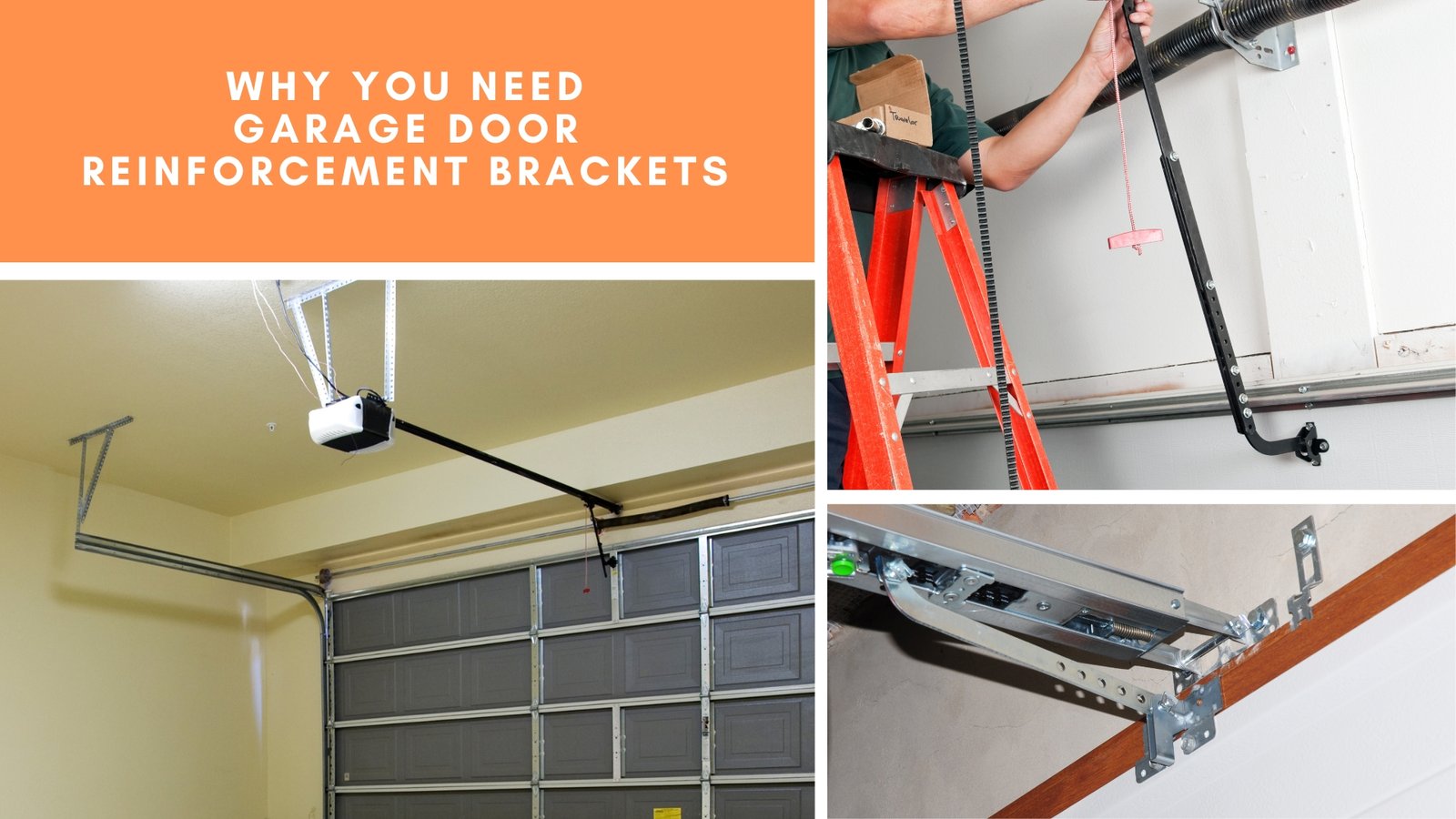
- Mounting points for the smart opener that are not isolated from the ceiling structure.
Quick, low-cost fixes you can try today
Before calling a technician, try these targeted steps to reduce noise from smart garage systems. Most are fast and inexpensive.
1. Tighten and isolate
Inspect visible fasteners on the tracks, hinges, and opener mount. Tighten loose bolts and then add simple isolation pads under the opener bracket to decouple vibration from the ceiling joists. For many homeowners this reduces rattling dramatically.
2. Lubricate moving parts
Use a silicone-based or garage-specific lubricant on rollers, hinges, and the torsion spring (avoid over-oiling). Proper lubrication reduces friction noise and keeps smart garage systems operating smoothly.
3. Replace noisy rollers
Steel rollers are durable but louder than nylon or sealed bearing rollers. Swapping noisy rollers for nylon rollers is a common residential service that lowers sound without changing door performance.
4. Check balance and sensors
An out-of-balance door strains the opener and can cause screeching or clunking. Test door balance manually and correct it or schedule a pro if torsion spring adjustments are needed. Also ensure safety sensors are aligned so the opener doesn’t cycle unnecessarily.
If you want step-by-step tips, visit our blog for seasonal maintenance checklists and short how-to guides.
Upgrade options: better hardware and insulation
When quick fixes aren’t enough, invest in upgrades designed to reduce noise for smart garage systems. These improvements also add longevity and improve compatibility with smart features.
- Nylon or roller-bearing upgrades. Swap steel rollers for nylon rollers or sealed bearing rollers for quieter travel.
- High-quality opener with soft start/stop. Newer smart openers use variable-speed motors that ramp up and down, reducing shock and vibration transmitted to the structure.
- Insulate the door. Adding insulation panels or a full insulated door reduces resonance and the amount of sound that passes into adjoining rooms.
- Vibration isolation kits. Install rubber or neoprene pads where the opener mounts, and use isolator washers on fasteners to minimize structure-borne noise.
- Replace worn springs and cables. These parts work under high tension; replacement eliminates clanking and reduces motor workload.
For professional assessments, parts, and installation, our technicians offer transparent estimates and local warranties. See our services for common upgrade packages and pricing ranges.
Smart integration and acoustic considerations
Integrating smart controls into quieter hardware gives the best long-term outcome. Choose a smart garage system that supports soft-start motors and offers adjustable travel limits. That reduces impact noise and unnecessary cycling.
Other acoustic strategies include:
- Adding weatherstripping to the perimeter to block high-frequency noise and drafts.
- Installing a sound-absorbing ceiling panel or insulation in the garage ceiling if noise transmits upward to living spaces.
- Using a wall-mounted control or app to avoid repeated remote-triggered operations that stress the opener.
Costs, timelines, and local considerations for Redmond, WA
In Redmond’s damp Pacific Northwest climate, corrosion and humidity can accelerate wear. Plan for maintenance every 12–24 months and budget for parts and labor depending on the fix:
- Simple lubrication and tightening: $0–$50 in parts, DIY or same-day visit.
- Roller replacement or insulation: $150–$600 depending on door size and materials; typically same-day to two-day service.
- Opener upgrade to a quiet model and smart integration: $400–$900 for parts and installation; 1-day install common.
- Full door replacement (insulated): $800–$3,000 depending on materials and size; schedule for a 1–2 week lead time for custom doors.
Permits are rarely required for basic repairs in residential settings in Redmond, WA, but major structural changes or full door replacements may trigger local building department requirements. If a permit is needed, your installer should advise and handle documentation.
When to call a professional
Call a technician if you notice:
- Grinding, metal-on-metal sounds, or sparks—signs of failing bearings or motor issues.
- Door imbalance or cables under tension—these are safety risks needing trained service.
- Persistent vibration after basic fixes—may indicate poor framing or a need for isolation upgrades.
If you’d like a local inspection and a written noise-reduction plan, reach out through our contact page and we’ll schedule a same-week visit in most parts of Redmond.
Maintenance checklist for quieter operation
- Inspect and tighten fasteners every 6 months.
- Lubricate rollers, hinges, and springs annually with garage-grade lubricant.
- Test opener limits and safety sensors seasonally.
- Replace steel rollers or weatherstripping as they show wear.
- Have a pro check spring tension and cable condition every 1–2 years.
Smart garage systems can make life easier and safer, but pairing them with the right mechanical components and acoustic measures is key to keeping noise low and satisfaction high.
For Redmond homeowners ready to reduce noise from smart garage systems, a short inspection often clears the path: balance the door, upgrade key rollers, add insulation, and choose a quiet opener with soft-start. Over time these strategies reduce complaints, improve performance, and protect electronics from excessive vibration.
Want to read more on seasonal care and specific product recommendations? Check our detailed articles for DIY checks and parts lists on the blog.
Frequently asked questions — Redmond, WA
Q: How does Redmond weather affect noise from smart garage systems?
A: Damp, cool seasons can stiffen seals and accelerate corrosion on rollers and tracks, increasing noise. Regular lubrication and corrosion-resistant parts help; inspect annually and after long wet periods.
Q: How long does a typical noise-reduction visit take?
A: A basic inspection and minor fixes (tightening, lubrication, roller swaps) usually take 45–90 minutes. Upgrades like insulation or new openers are scheduled for a half- to full-day install.
Q: What price range should Redmond homeowners expect for common fixes?
A: Expect $100–$300 for roller replacements or tension adjustments, $400–$900 for a quiet smart opener install, and $800+ for insulated door replacement. We provide itemized estimates before work begins.
Q: Are there warranties or guarantees on parts and labor in Redmond?
A: Most manufacturers offer part warranties (often 1–5 years) and reputable local installers provide labor warranties—confirm terms before scheduling. Keep invoices and warranty cards for any claims.
Q: Do I need a permit to replace my garage door in Redmond?
A: Minor repairs generally don’t require permits. Full door replacements or structural changes may. Your installer can check local Redmond building code requirements and pull permits if needed.
Helpful local resources in Redmond, WA
- Garage Door Repair Seattle
- Garage Door Repair Bellevue
- Garage Door Repair Redmond
- Garage Door Repair Kirkland
- Garage Door Repair Mercer Island
- Garage Door Repair Edmonds
- Garage Door Repair Issaquah
- Garage Door Repair Tacoma
- Garage Door Repair Everett
- Garage Door Repair Bothell
- Garage Door Repair Sammamish
- Garage Door Repair Renton
- Garage Door Repair Lynnwood
- Garage Door Repair Woodinville
- Garage Door Repair University Place
- Garage Door Repair Gig Harbor
- Garage Door Repair Lakewood
- Garage Door Repair Puyallup
- Garage Door Repair Mukilteo
- Garage Door Repair Vancouver
- Garage Door Repair Kenmore
- Garage Door Repair Burien
- Garage Door Repair Auburn
- Garage Door Repair South Hill
- Garage Door Repair Yarrow Point
- Garage Door Repair Clyde Hill
- Garage Door Repair Port Townsend
- Garage Door Repair Duvall
- Garage Door Repair Snoqualmie