Improve safety before a repair visit
If you own a home in Redmond, WA, preparing the space before any garage door repair can reduce risk and speed the job. A few minutes of planning protects your family, saves time and helps your technician complete the work safely. This guide focuses on practical steps homeowners can take for safer garage door repair while highlighting common hazards specific to local weather and homes.
Quick pre-checks every homeowner should do
Before you call for garage door repair, run a short checklist. Completing these items reduces surprises and gives the technician room to work.
- Clear the floor: move cars, bikes and items at least 6–8 feet away from the door path.
- Disconnect automatic openers: unplug the opener or switch it off at the wall to prevent accidental activation.
- Secure pets and children: keep them away from the garage during diagnostics and repair.
- Note odd sounds or movements: write down when you notice binding, squeaks, or uneven travel.
- Check for ice and debris: in cold months, clear ice at the threshold and sweep away leaves or gravel.
Understand common hazards and how to avoid them
Garage doors are heavy and under tension. Recognizing the main hazards helps you choose the right approach, whether DIY troubleshooting or scheduling professional garage door repair.
Broken springs and cables
Torsion or extension spring failures are the most dangerous issues: springs store a lot of energy and can cause severe injury if handled incorrectly. Never attempt to disassemble or remove a broken spring yourself. Instead, keep the door closed and arrange professional garage door repair.
Unstable tracks and rollers
Tracks that are bent or rollers that are seized can make the door jam or fall off the tracks. Tighten loose fasteners and apply silicone lubricant to rollers as a temporary measure, but schedule a full inspection through a licensed residential service to correct alignment and worn hardware.
Opener and electrical risks
Electrical issues with the opener can create shock risks or unexpected operation. Turn off power at the opener before inspecting wiring and avoid DIY electrical fixes unless you are qualified. For opener problems, contact a trained technician for safe, code-compliant repairs.
Practical safety upgrades to consider
Upgrading certain components reduces the frequency of emergency calls and improves everyday safety for your family.
- Install safety sensors: modern photo-eye sensors stop a closing door if an object crosses the path.
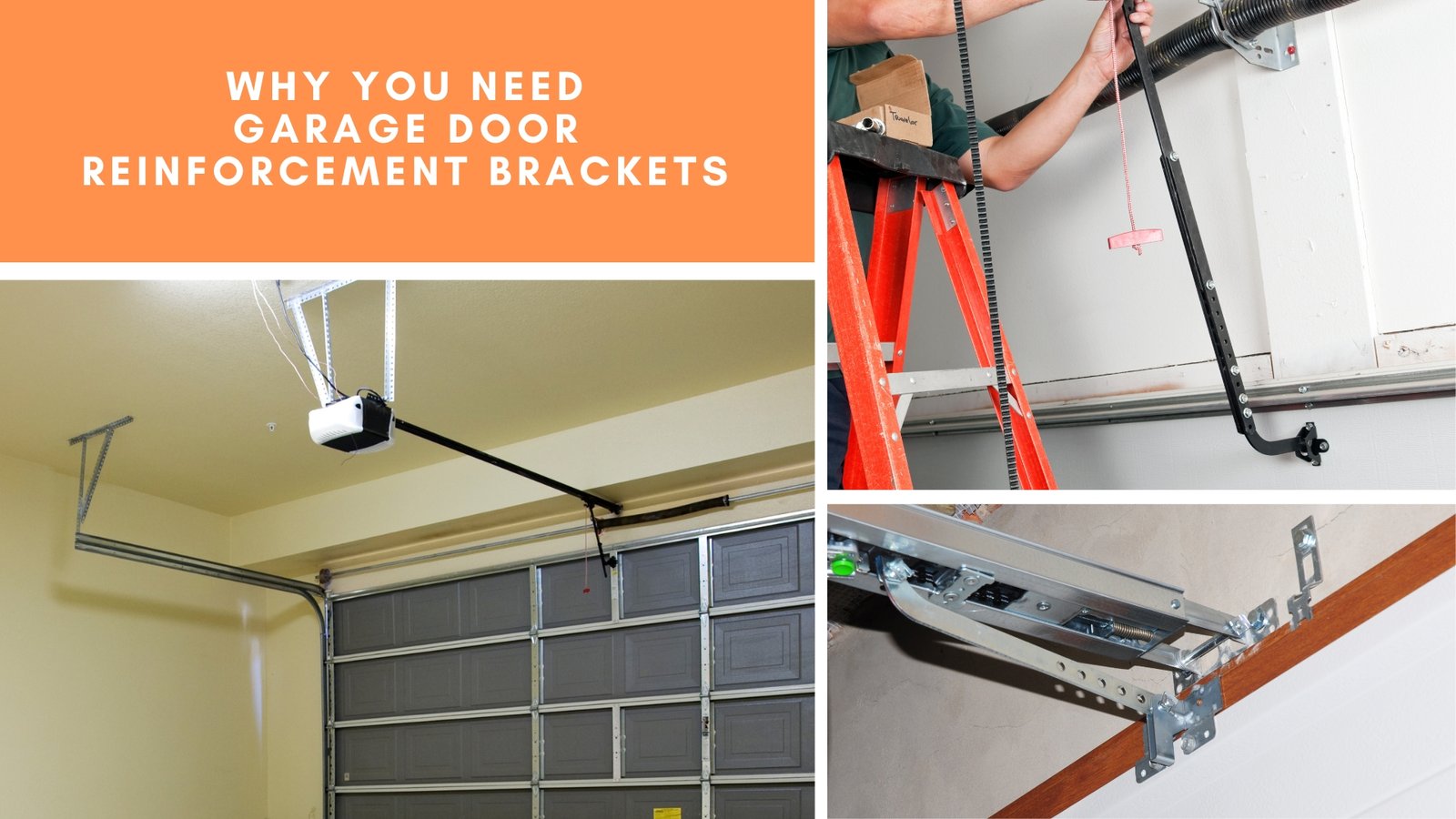
- Use tamper-resistant brackets: these reduce the chance of cables jumping off drums during heavy wind gusts common in WA.
- Add a secondary locking system: this prevents forced entry and keeps the door secure even if the opener fails.
- Upgrade to a smart opener with auto-lock and diagnostics: these can alert you to failures before they become dangerous.
If you want more reading on upgrades and maintenance, visit our blog for seasonal tips and local advice.
Safe DIY troubleshooting: what you can do, and what to avoid
Simple checks are safe for most homeowners. More advanced adjustments belong to garage door repair professionals.
Safe tasks for homeowners
- Visual inspection: look for frayed cables, loose bolts, and rusted hinges.
- Lubrication: apply lubricant to rollers, hinges and springs according to manufacturer guidance.
- Balance test: with the opener disconnected, lift the door halfway and release; it should stay put. If it drifts, that signals a need for professional repair.
Tasks to avoid
- Do not remove or adjust springs or cables.
- Do not attempt to realign tracks with the door under tension.
- Avoid using substitute parts or low-quality replacement hardware.
What to expect from a professional garage door repair visit
Hiring a qualified technician yields a safer, faster outcome. A good service will follow a consistent process that protects your home and family.
- Initial assessment: a technician will inspect springs, cables, tracks, rollers, and the opener.
- Written estimate: expect a clear price range and explanation of parts and labor for residential service.
- Safety testing: pros perform balance, reversal and sensor tests to confirm the door meets safety standards.
- Cleanup and documentation: the technician should remove debris, secure loose fasteners, and give you maintenance tips.
When you’re ready to book an appointment for garage door repair, contact us for fast, local service in Redmond, WA.
Local considerations: weather, permits, and timelines
Living in Redmond means damp winters and occasional wind events. That affects parts wear and scheduling.
- Weather impact: moisture accelerates rust on springs and rollers; check these parts more often during winter.
- Repair timelines: common fixes like opener replacement or spring changes are often same-day; more complex restorations may require parts ordering and take 1–3 days.
- Permits and codes: most routine garage door repair jobs don’t need permits. Major structural work or electric rewiring may require permits—your technician can advise.
Maintenance plan for safer operation
Regular care reduces emergencies and extends service life. A seasonal maintenance plan is a good investment for any homeowner focused on home improvement.
- Inspect monthly: check sensors, balance and visible hardware.
- Lubricate twice a year: use a silicone-based spray on moving parts.
- Schedule professional tune-ups annually: a trained technician will spot issues before they become hazardous and can complete necessary repairs safely.
Choosing a reliable residential service in WA
When selecting a company for garage door repair, look for local experience, clear pricing and warranty options. Ask about parts brands and whether technicians are insured and trained in spring handling and opener electronics.
For details on services we provide and warranty options, see our services page.
Summary: reduce risk with simple steps
A few careful preparations and the right maintenance schedule dramatically lower the danger around garage doors. Use the pre-checks above, avoid high-risk DIY fixes, and hire a licensed technician for spring or opener work. That approach keeps your garage safe and reliable for years.
Frequently Asked Questions
Q: How does Redmond weather affect garage door springs?
A: Damp, cool winters accelerate corrosion and reduce spring life. Inspect springs every 6 months and schedule professional garage door repair at the first sign of rust or loss of balance.
Q: What is a typical timeline for spring replacement in Redmond?
A: Most spring replacements are completed the same day. If specific OEM springs are required, allow 1–3 days for parts ordering. Technicians will secure the door and test safety features before leaving.
Q: Are permits needed for garage door repair or replacement in WA?
A: Routine repairs rarely need permits. Full door replacements that change the header, framing, or electrical wiring may require a building or electrical permit. Your service provider can confirm local code requirements.
Q: What price range should homeowners expect for basic repairs?
A: Minor repairs like tracks or rollers usually fall in a modest range; spring replacement and opener swaps cost more. Expect specific estimates on-site; always request a written quote that lists parts, labor and any warranty.
Q: Do garage door repairs come with a warranty in Redmond?
A: Many residential service providers offer warranties on parts and labor. Confirm warranty length and what it covers—springs, openers and labor policies vary by company.
Helpful local resources in Redmond, WA
- Garage Door Repair Seattle
- Garage Door Repair Bellevue
- Garage Door Repair Redmond
- Garage Door Repair Kirkland
- Garage Door Repair Mercer Island
- Garage Door Repair Edmonds
- Garage Door Repair Issaquah
- Garage Door Repair Tacoma
- Garage Door Repair Everett
- Garage Door Repair Bothell
- Garage Door Repair Sammamish
- Garage Door Repair Renton
- Garage Door Repair Lynnwood
- Garage Door Repair Woodinville
- Garage Door Repair University Place
- Garage Door Repair Gig Harbor
- Garage Door Repair Lakewood
- Garage Door Repair Puyallup
- Garage Door Repair Mukilteo
- Garage Door Repair Vancouver
- Garage Door Repair Kenmore
- Garage Door Repair Burien
- Garage Door Repair Auburn
- Garage Door Repair South Hill
- Garage Door Repair Yarrow Point
- Garage Door Repair Clyde Hill
- Garage Door Repair Port Townsend
- Garage Door Repair Duvall
- Garage Door Repair Snoqualmie