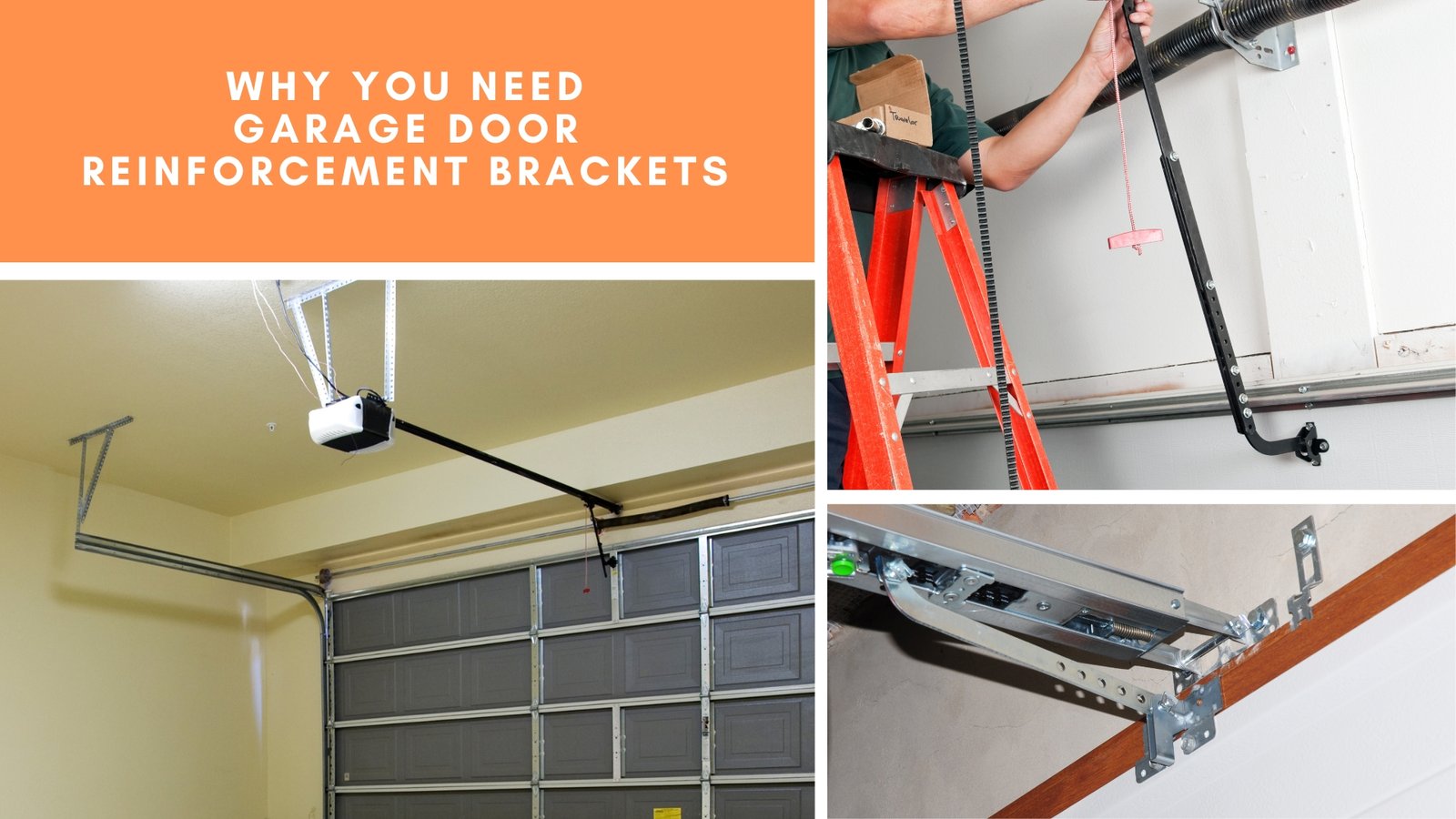
Homeowners in Redmond, WA face unique weather and wiring challenges when tackling garage projects. Whether you’re planning a DIY fix or scheduling professional garage door repair, safety should be the top priority. This guide explains practical steps to reduce risk, protect your property, and know when to call an experienced technician.
Why safety matters for garage door repair
Garage doors are heavy moving systems with springs, cables, and electric openers. Mistakes during garage door repair can cause serious injury, damage to vehicles, or costly secondary repairs. The right approach protects your family, preserves your investment in garage doors, and keeps your home improvement plan on track.
Prep work: inspect and plan before you touch anything
Start with a careful visual inspection. Look for rusted springs, frayed cables, bent tracks, and unusual door movement. Use a flashlight and a ladder with secure footing; never work on an unstable surface.
Tools and safety gear
- Safety glasses and gloves
- Locking pliers and winding bars (for spring work only if trained)
- A sturdy stepladder and non-slip shoes
- Multimeter for testing electrical components
- Wheel chocks and a helper to stabilize the door
Turn off power and secure the door
Before you test or touch the opener, unplug it or switch off the garage circuit. Use the manual release only when the door is fully supported. For any work on torsion springs, cables, or the drum, consider hiring a pro—these components store lethal amounts of energy.
Common safety hazards and how to avoid them
Understanding the most frequent failure points reduces surprises during garage door repair.
Broken springs and cables
Torsion and extension springs are under high tension. Symptoms of trouble include a door that opens unevenly, slams shut, or is difficult to lift manually. Never attempt to adjust or replace springs without proper tools and training. Instead, schedule a professional spring service to prevent serious injury.
Misaligned tracks and rollers
Tracks that are bent or loose can cause the door to jam or derail. Small adjustments—tightening loose bolts, clearing debris, or realigning tracks—are often safe for homeowners. Stop work and call a technician if the track is severely bent or welded components are involved.
Opener electrical faults
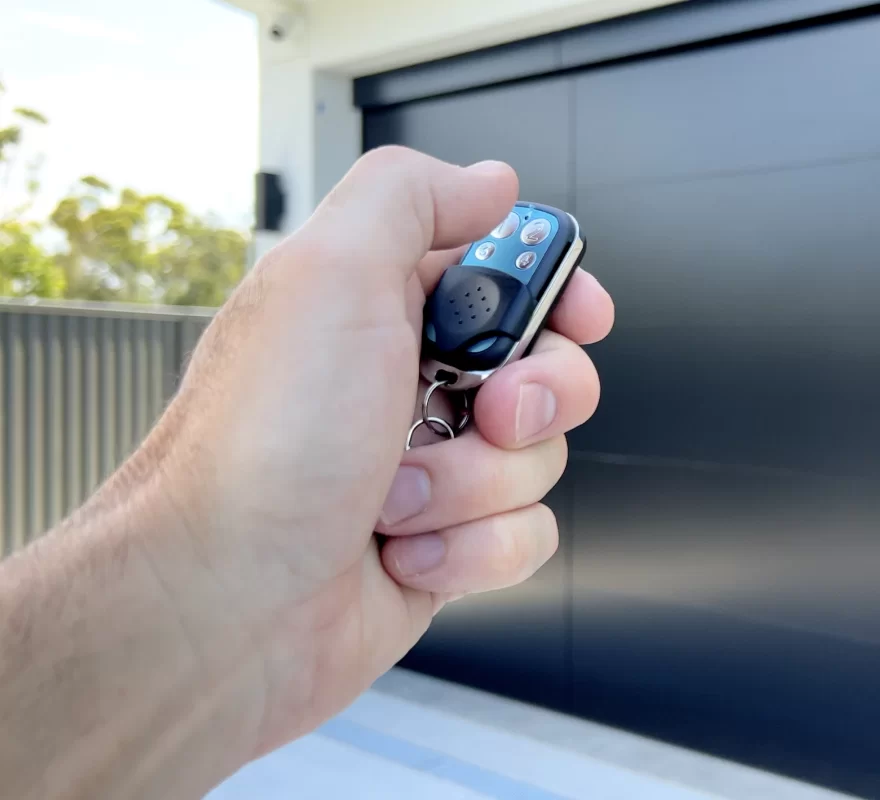
If the opener stalls, emits burning smells, or trips breakers, cut power immediately. Test remotes and safety sensors after any repair. Faulty wiring should be handled by a qualified electrician or an experienced garage door technician to avoid fire hazards.
Step-by-step: safe DIY maintenance checklist
Routine maintenance reduces the likelihood of emergency garage door repair and extends the life of your system.
- Monthly: Inspect cables, rollers, hinges, and tracks for visible wear.
- Every 6 months: Lubricate rollers, hinges, and springs using a silicone or lithium-based lubricant—avoid heavy grease on tracks.
- Annual: Test the auto-reverse safety feature by placing a 2×4 on the floor where the door closes; the door should reverse on contact.
- After storms: Re-check sensors and track alignment, especially if wind or debris struck the door.
For detailed maintenance articles and seasonal advice specific to our region, see our blog for step-by-step posts and local tips.
When to call a pro: red flags and urgent issues
Some problems require immediate professional garage door repair to protect people and property. Call a licensed technician if you notice:
- Broken or snapped spring(s)
- Frayed or detached cables
- Door that won’t stay open or closes suddenly
- Unusual grinding noises from the opener or motor smoke
- Extensive track damage or a derailed door
If you need help scheduling a safe repair or an emergency service, reach out through our contact page and we’ll prioritize your request.
Timing and weather considerations in Redmond, WA
Heavy rain, cold snaps, and coastal humidity in Redmond can accelerate rust and wear. Book inspection before winter to ensure springs and sensors work reliably. Professionals often recommend spring replacement in pairs to avoid a second failure within months.
Costs, warranties, and what to expect from a service call
Transparent estimates and clear warranty terms are part of any reputable residential service. In Redmond, routine service calls for adjustments and safety checks usually have lower rates than emergency spring replacements.
- Typical inspection fee: varies by company, often waived with accepted repair.
- Spring replacement range: depends on torsion vs extension and door weight; expect a quote that includes parts and labor.
- Warranty: ask for written warranty on parts and labor—standard coverage often ranges from 90 days to several years depending on the component.
Learn more about our local services and what’s included in a standard repair by visiting our services page.
Practical tips to protect people and belongings
- Child safety: keep remotes out of reach and teach children not to play near a moving door.
- Vehicle protection: park clear of the door path during testing or repairs.
- Insurance: document damage and repairs with photos; many homeowners policies cover certain door failures—check your deductible and claims process.
- Permit awareness: most garage door repairs don’t require permits, but replacing an entire automatic system may trigger local codes—verify with Redmond building authorities for large upgrades.
Final checklist before you finish a repair
Before finishing any repair or maintenance task, confirm:
- The door opens and closes smoothly and reverses reliably on obstacle contact.
- All fasteners are tightened to manufacturer torque specs (when known).
- Power is restored safely and sensors are aligned.
- Tools and lubricants are cleared away from the work area.
For homeowners who prefer a professional inspection or scheduled maintenance, our team provides prompt, licensed residential service across Redmond and neighboring communities. Use the links above to explore maintenance articles, request a quote, or review service options.
Frequently asked questions — Redmond, WA
Q: How does Redmond weather affect garage door components?
A: Salt-free but moist coastal air and frequent rain can speed rust on springs and rollers. Inspect lubrication and sensor alignment at least twice a year, and schedule spring checks before winter to avoid cold-related failures.
Q: How long does a typical residential garage door repair take?
A: Most tune-ups and minor repairs take 30–90 minutes. Spring replacements or motor rebuilds can take 1–3 hours depending on parts and door type. Emergency visits may vary based on damage and safety needs.
Q: What price range should I expect for spring replacement in Redmond?
A: Costs depend on door weight and spring type. For a single-family home, expect a typical range (parts & labor) that your local technician will quote after inspection—always request a written estimate and ask about warranties.
Q: Do I need a permit for garage door replacement in Redmond?
A: Simple repairs usually don’t need permits. Full replacements that alter structure or add new powered mechanisms may require a permit. Check Redmond building codes or ask our team to verify permit needs when scheduling service.
Q: What warranties are common for parts and labor?
A: Manufacturers often offer parts warranties (1–5 years) and installers may provide labor warranties (30 days to multiple years). Always get warranty details in writing and keep your invoice for claims.
Helpful local resources in Redmond, WA
- Garage Door Repair Seattle
- Garage Door Repair Bellevue
- Garage Door Repair Redmond
- Garage Door Repair Kirkland
- Garage Door Repair Mercer Island
- Garage Door Repair Edmonds
- Garage Door Repair Issaquah
- Garage Door Repair Tacoma
- Garage Door Repair Everett
- Garage Door Repair Bothell
- Garage Door Repair Sammamish
- Garage Door Repair Renton
- Garage Door Repair Lynnwood
- Garage Door Repair Woodinville
- Garage Door Repair University Place
- Garage Door Repair Gig Harbor
- Garage Door Repair Lakewood
- Garage Door Repair Puyallup
- Garage Door Repair Mukilteo
- Garage Door Repair Vancouver
- Garage Door Repair Kenmore
- Garage Door Repair Burien
- Garage Door Repair Auburn
- Garage Door Repair South Hill
- Garage Door Repair Yarrow Point
- Garage Door Repair Clyde Hill
- Garage Door Repair Port Townsend
- Garage Door Repair Duvall
- Garage Door Repair Snoqualmie