Intro: Why materials matter in Redmond, WA
Living in Redmond, WA, means dealing with damp winters, spring rains and occasional wind-driven storms. For homeowners, choosing the right materials for garage door maintenance matters because the wrong parts wear out faster and cause repeated repairs. This garage door maintenance wa choosing the right materials guide helps you pick materials that resist corrosion, retain insulation value and reduce long-term costs.
How climate shapes garage door maintenance choices
Redmond’s marine-influenced climate accelerates rust on exposed metal and can warp untreated wood. When planning routine garage door maintenance, target materials that handle moisture, salt air and temperature swings. Proper material choice reduces service calls and keeps the door operating smoothly.
Corrosion resistance
Steel tracks, springs and fasteners are common in garage doors. For garage door maintenance, pick galvanized or stainless-steel hardware where possible to limit rust. Galvanized springs and zinc-plated fasteners are cost-effective options for most residential service needs in this area.
Thermal performance
If your garage is attached or used as a workspace, insulated panels matter. Materials with thermal breaks or foam cores keep heat in and condensation out, which simplifies seasonal garage door maintenance and preserves seals and electronics.
Common materials and where to use them
Below are practical recommendations for materials homeowners in Redmond see most often during garage door maintenance.
Steel
Pros: Strong, low-cost, easy to paint and widely available. Cons: Susceptible to corrosion if finish fails. For garage door maintenance, treated or painted steel with edge seals and regular inspections gives the best life-cycle value in a wet climate.
Aluminum
Pros: Lightweight and corrosion-resistant. Cons: Less insulating, prone to denting on impact. Aluminum is a good choice for wide doors or modern-style sectional doors where humidity resistance matters more than insulation.
Wood and wood-composite
Pros: Great looks and natural insulation. Cons: Needs routine sealing or paint to resist moisture. If you prefer wood, plan for more frequent garage door maintenance tasks like repainting, re-sealing and core checks after the rainy season.
Composite and fiberglass
Pros: Low maintenance, resists rot and can mimic wood grain. Cons: Can be pricier up front. Composites often reduce the total time spent on garage door maintenance because they don’t swell or rot in Redmond’s climate.
Seals, weatherstripping and hardware
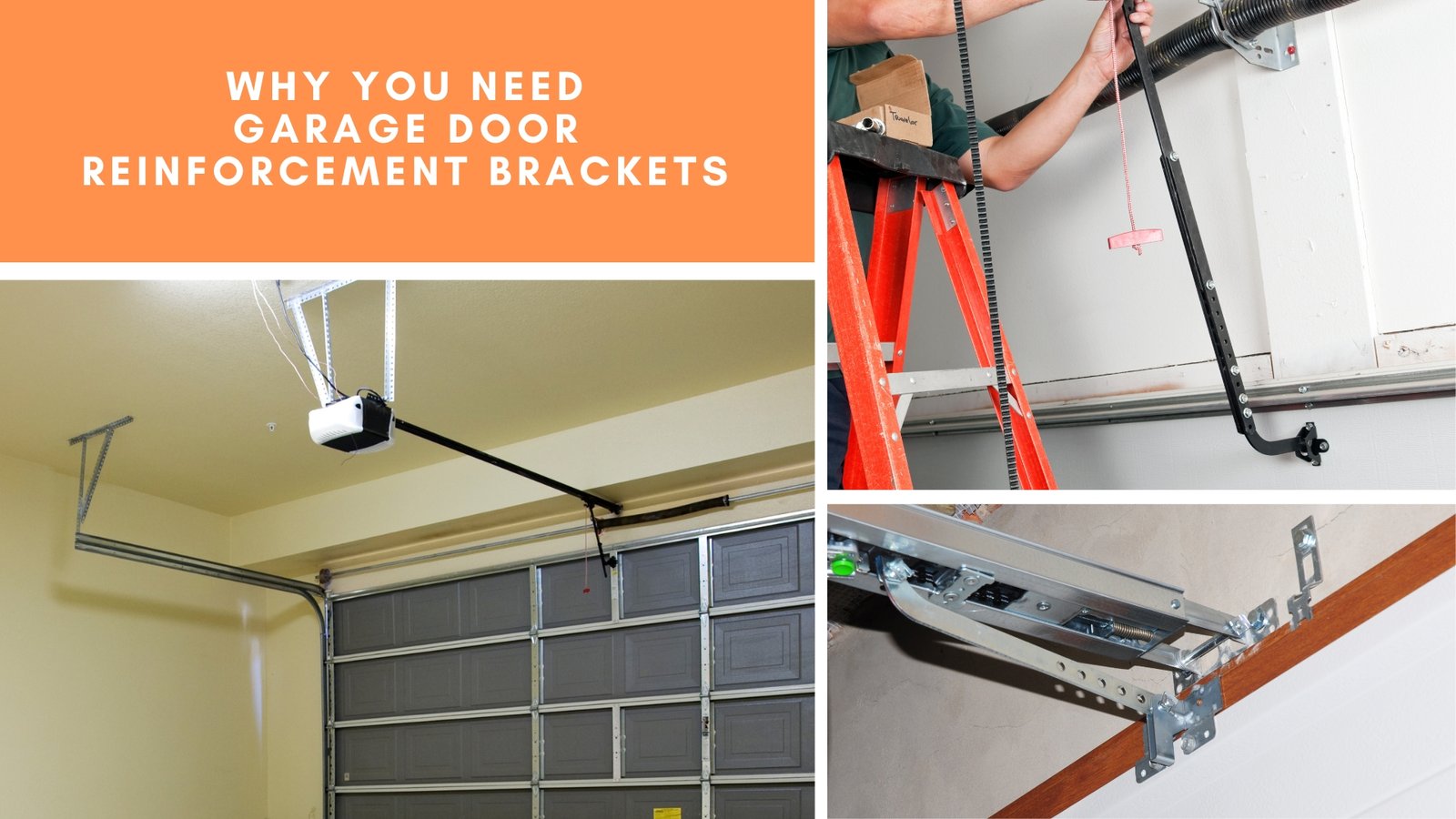
Small parts make a big difference. Use EPDM or silicone seals for bottom weatherstrips, and choose nylon rollers and sealed bearings to reduce lubrication intervals. Regularly inspect cables, pulleys and track mounts as part of any garage door maintenance program.
Making selections for long-term value
Focus on total cost of ownership, not just purchase price. Materials that lower maintenance frequency and reduce repair complexity offer real savings. Consider these steps when planning garage door maintenance:
- Prioritize corrosion-resistant hardware (galvanized or stainless steel).
- Match panel material to garage use: insulated steel or composite for attached garages; aluminum for lightweight modern doors.
- Upgrade seals and rollers to weatherproof options to reduce lubrication and replacement cycles.
- Use factory-matched finishes or high-quality exterior paint to protect steel and wood panels.
Budgeting and expected lifespans
Typical lifespans vary: untreated wood may need significant maintenance every 3–7 years, painted steel panels can last 10–20 years with proper care, and composite panels often exceed 15 years. When estimating costs for garage door maintenance, include material, labor and expected service intervals.
DIY maintenance checklist and when to call a pro
Simple tasks you can do quarterly save money and identify material failures early. A basic garage door maintenance routine includes visual checks, lubrication and seal inspection.
- Inspect panels and frames for dents, cracks or paint failure.
- Check seals and bottom weatherstrip; replace if hardened or torn.
- Lubricate rollers, hinges and springs with a recommended product for your material types.
- Test auto-reverse and safety sensors monthly.
If you notice frayed cables, sagging sections, unusual noises or failing sensors, schedule professional help. For local resources and advice on seasonal tasks, see our blog.
For professional inspections, repairs or material upgrades that require tools and safety precautions, review our services and call to book an on-site assessment.
Need immediate assistance or to schedule a maintenance visit? Contact our Redmond team for same-week availability on replacements and preventive maintenance.
Final tips for Redmond homeowners
Keep a seasonal log of maintenance tasks, note the materials used on replacement parts, and choose finishes designed for marine climates. Thoughtful material choices make garage door maintenance faster and less costly over time.
Whether you do periodic DIY checks or hire a residential service, selecting the right materials up front reduces headaches and extends the working life of your door. For complex jobs or warranty-covered parts, rely on trained technicians who understand local weather impacts and code considerations.
Frequently asked questions — Redmond, WA
How does Redmond weather affect garage door materials?
Rain and humidity accelerate rust and can cause wood to swell. Choose galvanized or stainless hardware, sealed insulation panels, and durable weatherstripping to reduce moisture damage in local garage door maintenance.
How often should I schedule garage door maintenance in Redmond?
For most homes, a spring and fall check is enough. If your door is exposed to coastal air or heavy use, quarterly checks help catch corrosion or seal failure early.
What price range should I expect for material upgrades?
Minor upgrades like stainless fasteners or new seals run low hundreds. Panel or insulation upgrades typically start in the high hundreds to low thousands depending on size and material.
Are there permits needed for garage door replacement in Redmond?
Most like-for-like replacements don’t require permits, but structural changes or electrical work for new openers may. Check City of Redmond codes or ask our technicians during an on-site estimate.
Do material warranties cover weather-related failures?
Warranties vary by manufacturer. Many cover defects but exclude normal wear from weather exposure. Keep receipts and installation records; ask about warranty transferability during service.
Helpful local resources in Redmond, WA
- Garage Door Repair Seattle
- Garage Door Repair Bellevue
- Garage Door Repair Redmond
- Garage Door Repair Kirkland
- Garage Door Repair Mercer Island
- Garage Door Repair Edmonds
- Garage Door Repair Issaquah
- Garage Door Repair Tacoma
- Garage Door Repair Everett
- Garage Door Repair Bothell
- Garage Door Repair Sammamish
- Garage Door Repair Renton
- Garage Door Repair Lynnwood
- Garage Door Repair Woodinville
- Garage Door Repair University Place
- Garage Door Repair Gig Harbor
- Garage Door Repair Lakewood
- Garage Door Repair Puyallup
- Garage Door Repair Mukilteo
- Garage Door Repair Vancouver
- Garage Door Repair Kenmore
- Garage Door Repair Burien
- Garage Door Repair Auburn
- Garage Door Repair South Hill
- Garage Door Repair Yarrow Point
- Garage Door Repair Clyde Hill
- Garage Door Repair Port Townsend
- Garage Door Repair Duvall
- Garage Door Repair Snoqualmie